
- Your cart is empty
- Continue Shopping


What Causes Errors in Palm Aneroid BP Monitor Readings
- Blog
- Posted on
-
by Muneeb Rehman
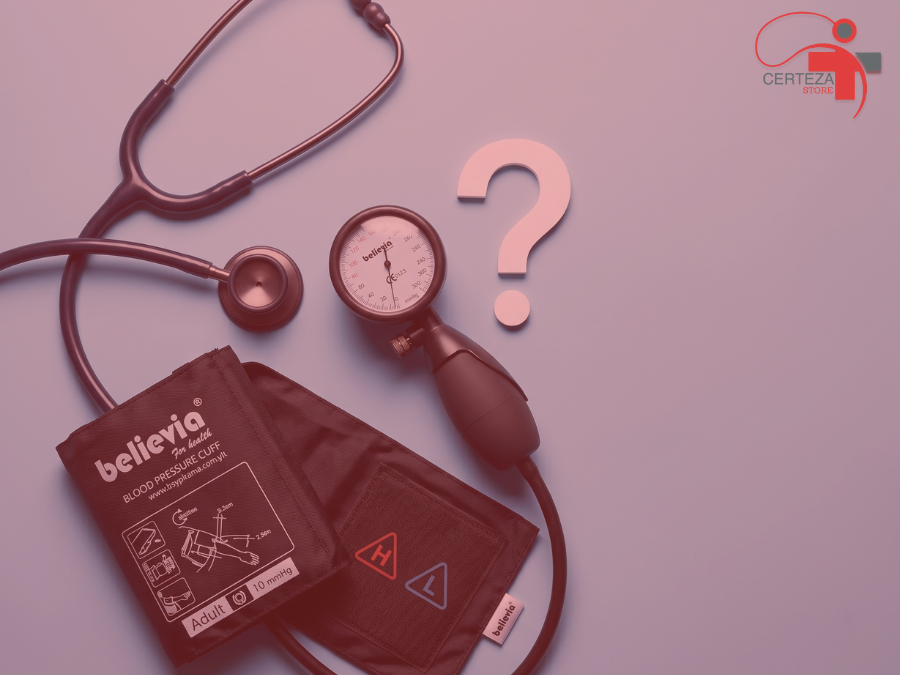
Accurate blood pressure measurement is critical, especially when using a manual device like the Believia AN-02 Palm Aneroid Sphygmomanometer. Many users in Pakistan rely on palm aneroid BP monitors for home and clinical use, but often face inconsistent or confusing readings. These errors are rarely due to the device alone. Most of the time, small mistakes in usage, handling, or maintenance can lead to inaccurate results.
Understanding these common issues helps users get reliable readings and make better health decisions. This guide explains the real causes behind inaccurate readings in palm aneroid BP monitors and how users in Pakistan can avoid them while using manual BP apparatus at home or in clinics.
Incorrect Cuff Placement on the Arm
One of the most common reasons for wrong readings is incorrect cuff placement. If the cuff is too loose or too tight, it directly affects pressure measurement. Many users in Pakistan using palm aneroid sphygmomanometers at home are unaware that cuff positioning must be aligned with the artery for accurate results.
When the cuff is not wrapped evenly around the arm, the BP apparatus may show higher or lower readings than actual. Using a reliable manual BP monitor like Believia AN-02 with proper cuff positioning ensures more consistent results for both home users and healthcare professionals.
Poor Stethoscope Positioning
In manual BP monitoring, sound detection is essential. If the stethoscope is not placed correctly over the artery, the user may not hear clear Korotkoff sounds. This leads to guesswork and inaccurate readings, especially for beginners using palm aneroid BP monitors in Pakistan.
Many users struggle with identifying the correct sound, which results in incorrect systolic and diastolic values. Proper training and careful placement improve accuracy when using devices like Believia AN-02 palm aneroid sphygmomanometer in home or clinical settings.
Lack of Proper Calibration
Calibration plays a major role in maintaining accuracy. Over time, manual BP monitors can lose calibration due to regular use. In Pakistan, many users do not check calibration of their palm aneroid sphygmomanometer, leading to consistent errors in readings.
If the gauge does not return to zero or shows fluctuating values, it may need recalibration. Regular checks ensure that devices like Believia AN-02 provide reliable readings, especially for clinics and home users who depend on manual BP apparatus daily.
Fast or Irregular Deflation of Cuff
Deflating the cuff too quickly is another common mistake. When air is released too fast, it becomes difficult to accurately note systolic and diastolic readings. Many users using palm type BP monitors in Pakistan are unaware of the correct deflation speed.
Slow and steady deflation allows better sound detection and more accurate results. A controlled valve system in devices like Believia AN-02 palm aneroid BP monitor helps maintain proper deflation, improving measurement reliability.
User Movement During Measurement
Movement during BP measurement can cause significant errors. Talking, shifting position, or moving the arm affects blood flow and pressure readings. This issue is very common among home users in Pakistan using manual BP monitors without proper guidance.
For accurate readings, the user should remain still and relaxed. Using a palm aneroid sphygmomanometer like Believia AN-02 in a calm environment helps ensure stable and consistent blood pressure results.
Incorrect Arm Position Relative to Heart
The position of the arm plays a crucial role in blood pressure accuracy. If the arm is above or below heart level, the readings can be misleading. Many users of manual BP apparatus in Pakistan overlook this factor.
Keeping the arm at heart level ensures that gravity does not influence the measurement. Proper positioning while using Believia AN-02 palm aneroid sphygmomanometer improves accuracy for both home monitoring and clinical use.
Air Leakage in the Device
Air leakage is a hidden issue that affects many palm aneroid BP monitors. Small leaks in the bulb, valve, or tubing can prevent proper inflation, leading to incorrect readings. This problem is often unnoticed by users in Pakistan.
Regular inspection of the device helps identify leaks early. A well-maintained unit like Believia AN-02 ensures proper pressure control, making it a reliable choice for those using manual BP monitors regularly.
Using the Wrong Cuff Size
Cuff size directly impacts blood pressure measurement. A cuff that is too small can give high readings, while a large cuff may show lower values. Many users in Pakistan using palm aneroid sphygmomanometers do not consider cuff size carefully.
Choosing the correct cuff size according to arm circumference is essential. Devices like Believia AN-02 often come with standard cuffs suitable for most users, ensuring better accuracy in daily BP monitoring.
Lack of User Training or Experience
Manual BP monitoring requires skill and practice. Beginners often struggle with pumping, listening, and reading the gauge simultaneously. This lack of experience leads to inconsistent results, especially among home users in Pakistan.
With proper guidance and regular use, accuracy improves significantly. A user-friendly device like Believia AN-02 palm aneroid BP monitor can help beginners gain confidence while measuring blood pressure at home.
Environmental and External Factors
External factors such as stress, temperature, and recent activity can affect blood pressure readings. Many users do not realize that measuring BP immediately after physical activity or in a noisy environment can lead to inaccurate results.
For best results, measurements should be taken in a calm and controlled setting. Using a reliable palm aneroid sphygmomanometer like Believia AN-02 in a relaxed environment ensures more dependable readings for users across Pakistan.
Final Thoughts
Errors in palm aneroid BP monitor readings are often caused by simple, avoidable mistakes rather than device failure. By understanding these factors, users can significantly improve the accuracy of their blood pressure measurements. Whether for home use or clinical practice in Pakistan, proper technique and a reliable manual BP monitor make all the difference.
A careful approach to usage, combined with a well-designed device like the Believia AN-02 Palm Aneroid Sphygmomanometer, helps ensure consistent and trustworthy readings without unnecessary confusion.
