
- Your cart is empty
- Continue Shopping


What Is Tuberculosis and How Does It Spread?
- Blog
- Posted on
-
by Muneeb Rehman
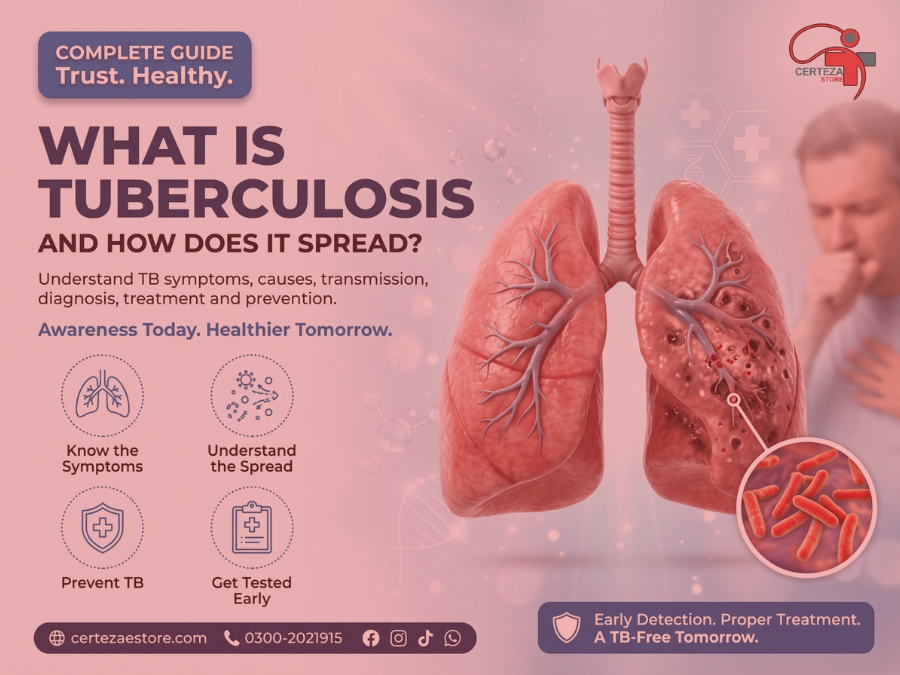
Tuberculosis (TB) is a contagious bacterial disease caused by Mycobacterium tuberculosis. It mainly affects the lungs (pulmonary tuberculosis) but can also affect other parts of the body. TB spreads through tiny airborne droplets released when a person with active pulmonary tuberculosis coughs, sneezes, speaks, or sings. Early diagnosis, proper treatment, and public awareness are essential to stopping its spread.
Key Takeaways
- Tuberculosis is one of the world’s leading infectious diseases.
- TB mainly affects the lungs but may also affect the brain, kidneys, spine, and lymph nodes.
- Active pulmonary tuberculosis can spread through the air.
- Persistent cough lasting more than two weeks should never be ignored.
- TB is preventable, treatable, and curable with the correct course of prescribed anti-TB medicines.
- Early diagnosis reduces complications and helps protect family members and the community.
- Maintaining good respiratory health and following your doctor’s treatment plan play an important role in recovery.
Tuberculosis Facts & Figures
Tuberculosis remains a major public health challenge worldwide and continues to affect thousands of families every year.
| Fact | Details |
| Cause | Mycobacterium tuberculosis bacteria |
| Primary organ affected | Lungs |
| Transmission | Airborne droplets |
| Preventable | Yes |
| Treatable | Yes |
| Curable | Yes (with the full prescribed treatment course) |
Tuberculosis in Pakistan
Pakistan is among the countries with a high TB burden, making awareness, early diagnosis, and timely treatment especially important. Every year, hundreds of thousands of people are diagnosed with TB across the country. National TB control programs continue to focus on early detection, improved treatment access, and public awareness to reduce transmission.
This highlights why understanding tuberculosis symptoms, TB diagnosis, and TB prevention is important for every family.
Introduction
Tuberculosis (TB) has affected humanity for centuries, yet it remains one of the most misunderstood infectious diseases. Many people believe TB is a disease of the past, but it continues to impact millions of people worldwide each year, including many in Pakistan.
One of the biggest challenges is that the early signs of tuberculosis can be mild and easily mistaken for a common cold, seasonal flu, or a lingering respiratory infection. As a result, many people delay getting tested, allowing the disease to progress and increasing the risk of spreading it to others.
The good news is that tuberculosis is both treatable and curable when diagnosed early and treated correctly. Learning how TB spreads, recognizing its symptoms, and seeking medical advice without delay can make a significant difference in protecting both individual and public health.
This guide explains everything you need to know—from tuberculosis symptoms and TB diagnosis to tuberculosis treatment, prevention strategies, and practical respiratory health tips for people living in Pakistan.
What Is Tuberculosis?
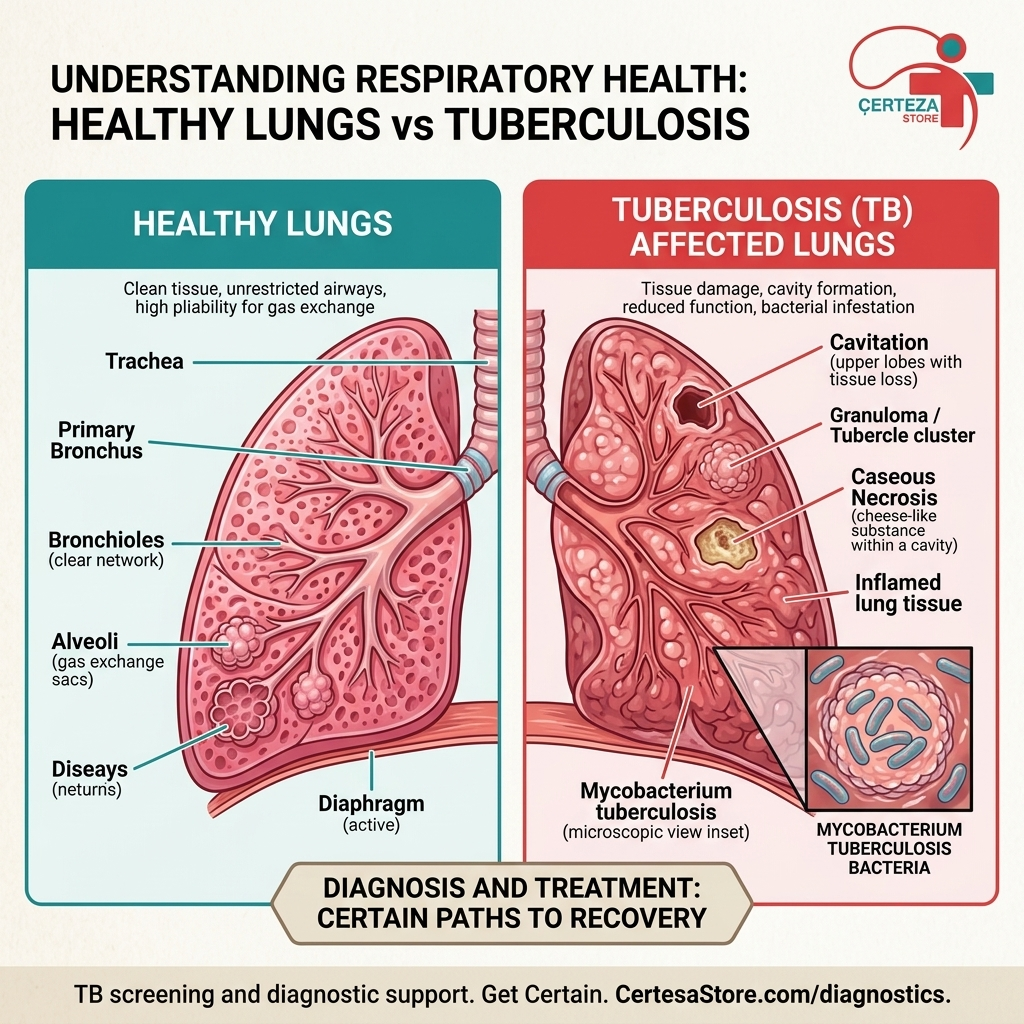
Tuberculosis is an infectious disease caused by the bacterium Mycobacterium tuberculosis. It most commonly affects the lungs, a condition known as pulmonary tuberculosis, although it can also spread to other parts of the body such as the spine, kidneys, brain, or lymph nodes. When TB affects organs outside the lungs, it is called extrapulmonary tuberculosis.
The bacteria usually enter the body through inhalation after exposure to tiny airborne droplets released by a person with active pulmonary TB. In some people, the immune system keeps the bacteria inactive, resulting in latent tuberculosis infection (LTBI). These individuals do not feel sick and cannot spread TB. However, if the immune system weakens later in life, the infection can become active tuberculosis, which can cause illness and spread to others.
Understanding the difference between latent TB and active TB disease is essential because early diagnosis and treatment help prevent future complications and reduce community transmission.
How Does Tuberculosis Spread?
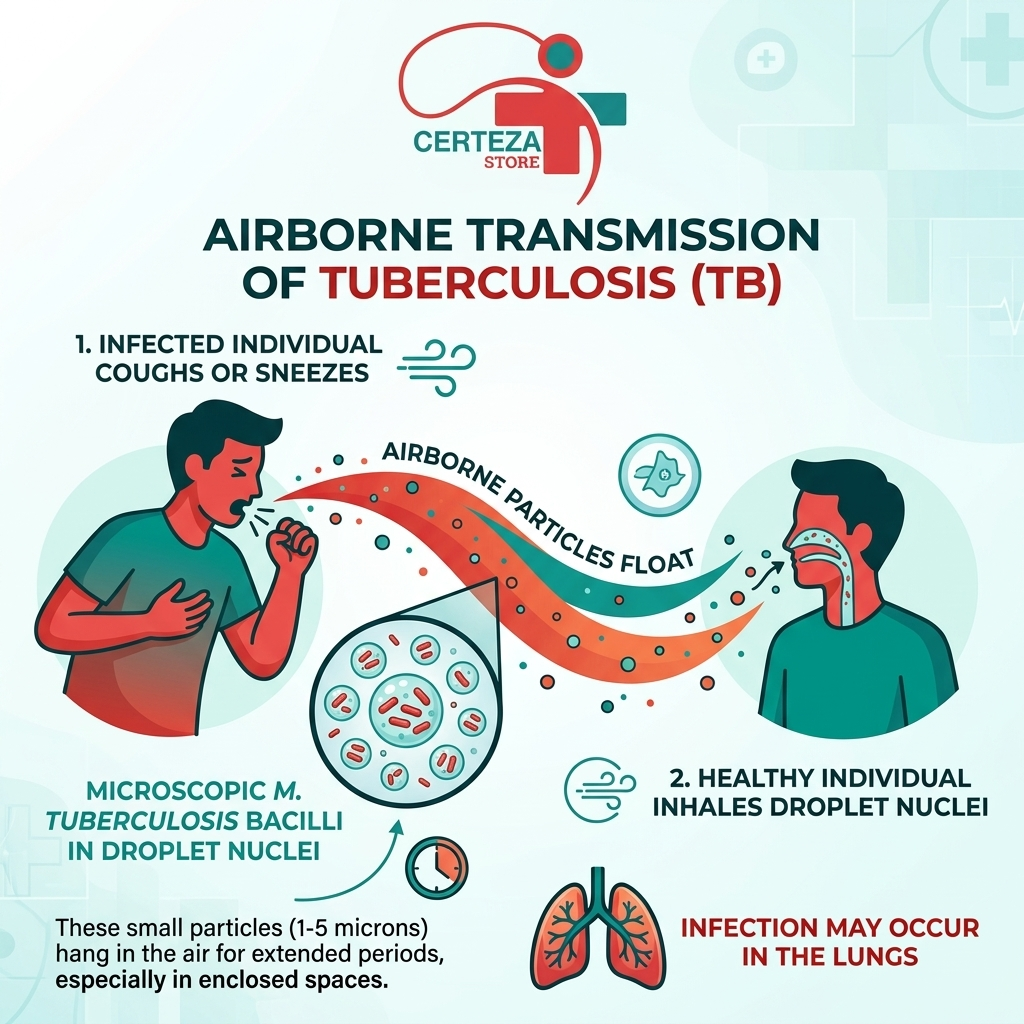
Tuberculosis spreads through the air—not by touching surfaces, sharing utensils, or shaking hands.
When a person with active pulmonary tuberculosis coughs, sneezes, laughs, sings, or even speaks for an extended period, tiny droplets containing TB bacteria are released into the air. People nearby may inhale these droplets, allowing the bacteria to enter their lungs.
Common Ways TB Can Spread
- Living in the same household as someone with active TB.
- Spending long periods in crowded or poorly ventilated indoor spaces.
- Close contact with an untreated TB patient.
- Healthcare settings without proper infection-control measures.
TB Does NOT Usually Spread Through
- Handshakes
- Sharing food or drinking glasses
- Using the same toilet
- Touching clothes or bedding
- Hugging someone
Understanding how TB spreads helps reduce unnecessary fear while encouraging people to take appropriate precautions such as improving ventilation, covering coughs, wearing masks when recommended, and seeking medical evaluation for persistent respiratory symptoms.
What Are the Early Signs of Tuberculosis?
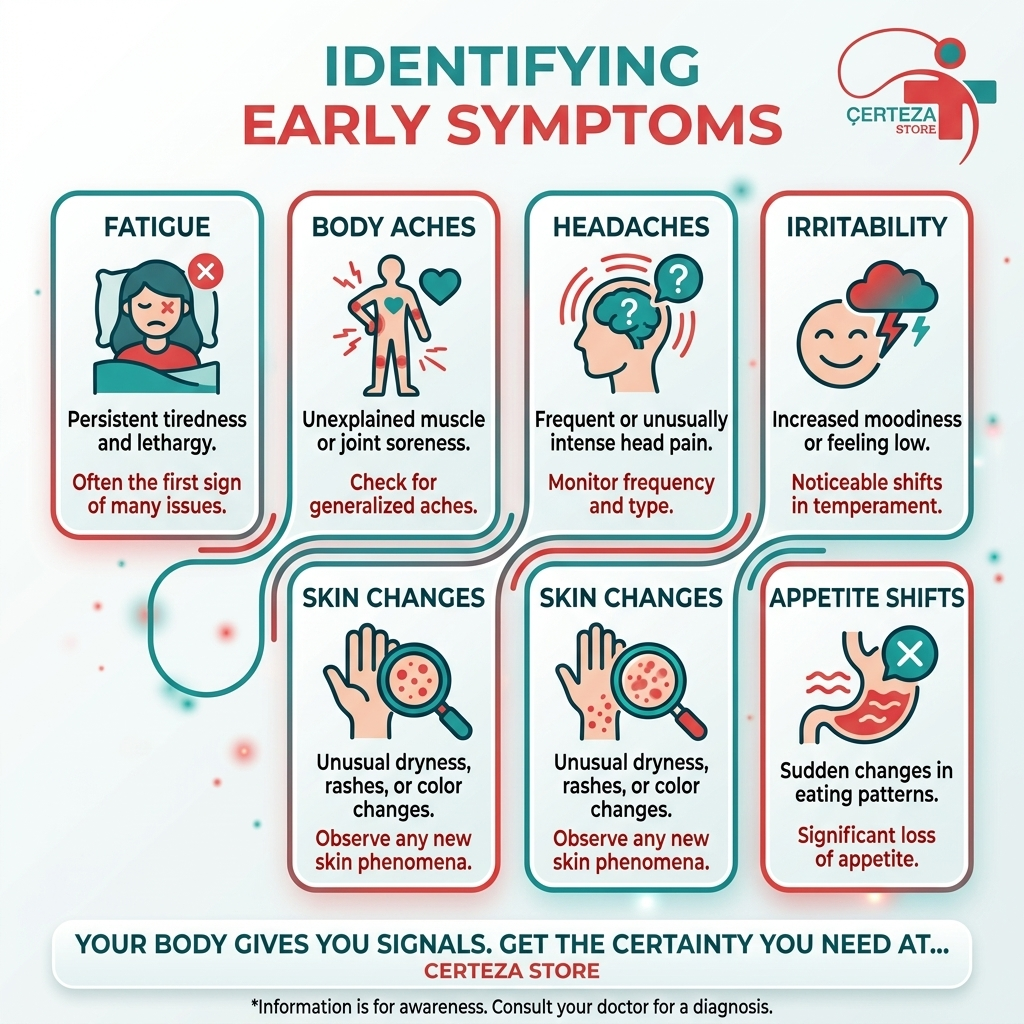
Recognizing tuberculosis symptoms early can help prevent serious complications and reduce the risk of spreading the infection to others.
The symptoms often develop gradually over several weeks, which is why many people initially mistake TB for a stubborn cold or seasonal respiratory illness.
Common Early Symptoms
| Symptom | Why It Happens |
| Persistent cough (2 weeks or more) | Infection and inflammation in the lungs |
| Chest pain | Lung irritation during breathing or coughing |
| Coughing up blood | Damage to lung tissue in some cases |
| Fever | The body’s immune response to infection |
| Night sweats | A common symptom of active TB |
| Unexplained weight loss | Increased energy use due to chronic infection |
| Fatigue | Ongoing immune system activity |
| Loss of appetite | Common in chronic infectious diseases |
If you or a family member experiences a cough lasting more than two weeks—especially if it is accompanied by fever, night sweats, unexplained weight loss, or blood in the sputum—it is important to seek medical evaluation promptly. Early TB diagnosis can improve treatment outcomes and help prevent the disease from spreading within the community.
Who Is Most at Risk of Tuberculosis?
Although anyone can develop tuberculosis (TB), certain people have a higher risk of becoming infected or developing active tuberculosis disease. Knowing these risk factors can help individuals seek medical advice early and reduce the spread of infection.
People at Higher Risk Include:
- Individuals who have close contact with someone diagnosed with active pulmonary tuberculosis.
- Healthcare workers who regularly care for TB patients.
- People living in crowded or poorly ventilated environments.
- Older adults whose immune systems may be weaker.
- Infants and young children.
- People living with HIV/AIDS or other conditions that weaken the immune system.
- Individuals with diabetes, especially when blood sugar is poorly controlled.
- Smokers and people exposed to secondhand smoke.
- People with poor nutrition or weakened overall health.
- Patients taking long-term immune-suppressing medications.
Why Diabetes Increases the Risk of TB
People with diabetes have a higher chance of developing active tuberculosis because high blood sugar can weaken the body’s immune response. This makes it harder to fight infections, including TB infection. Good diabetes management and regular medical checkups can help lower this risk.
Can Tuberculosis Be Prevented?
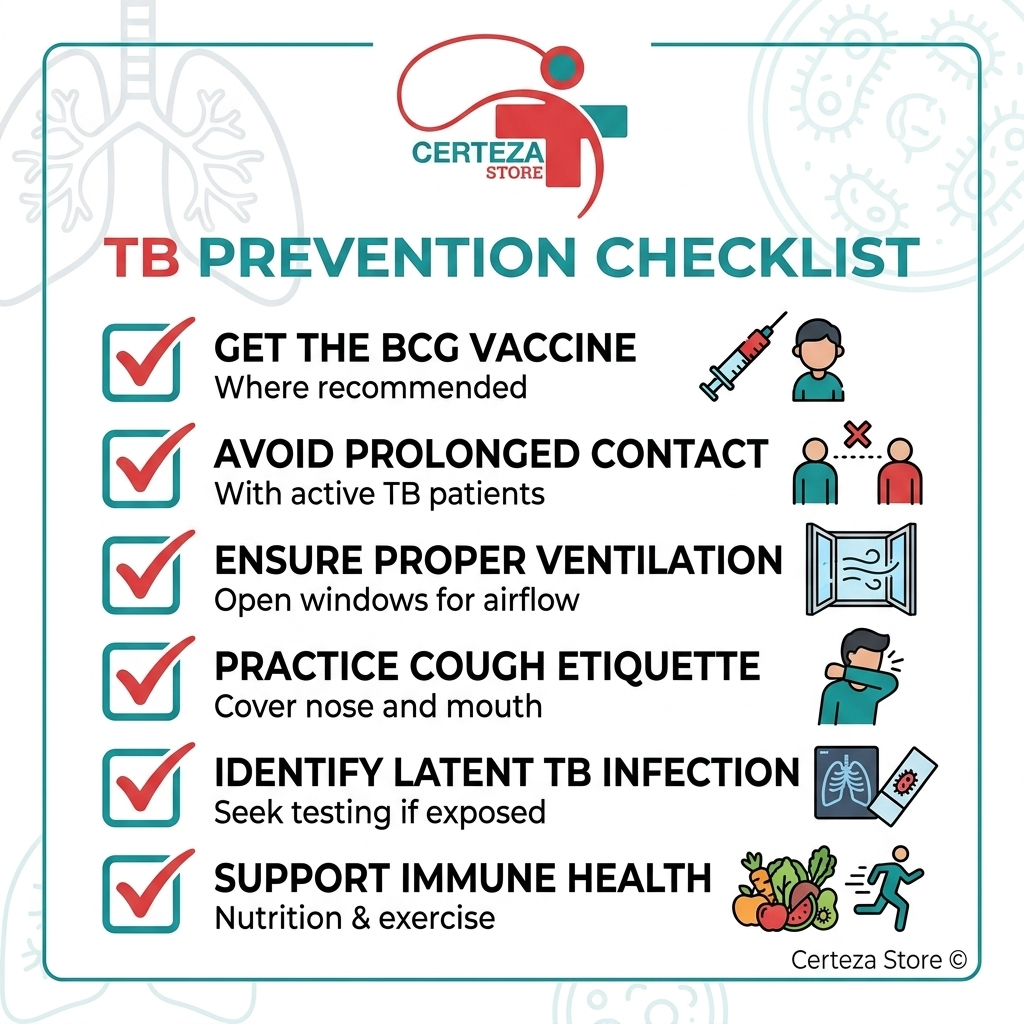
Yes. Tuberculosis is preventable, and simple public health measures can significantly reduce the risk of infection.
While no prevention method offers 100% protection, combining healthy habits with early diagnosis and proper treatment greatly decreases the spread of TB.
Practical Ways to Prevent Tuberculosis
Get Tested If You Have Symptoms
Do not ignore a persistent cough lasting more than two weeks, especially if it is accompanied by fever, night sweats, or unexplained weight loss.
Complete the Full Treatment
People diagnosed with TB should complete their prescribed treatment exactly as directed. Stopping medicines too early can allow the bacteria to survive and may contribute to drug-resistant tuberculosis.
Improve Indoor Ventilation
Fresh air helps reduce the concentration of airborne bacteria in enclosed spaces.
Simple steps include:
- Opening windows regularly.
- Improving airflow in homes and workplaces.
- Avoiding overcrowded indoor environments whenever possible.
Cover Your Mouth and Nose
Cover your mouth when coughing or sneezing and dispose of used tissues properly. Good cough etiquette helps reduce the spread of respiratory infections.
Maintain a Healthy Lifestyle
A strong immune system supports better respiratory health.
Healthy habits include:
- Eating a balanced diet.
- Getting enough sleep.
- Staying physically active.
- Avoiding smoking.
- Limiting exposure to air pollution whenever possible.
How Is Tuberculosis Diagnosed?
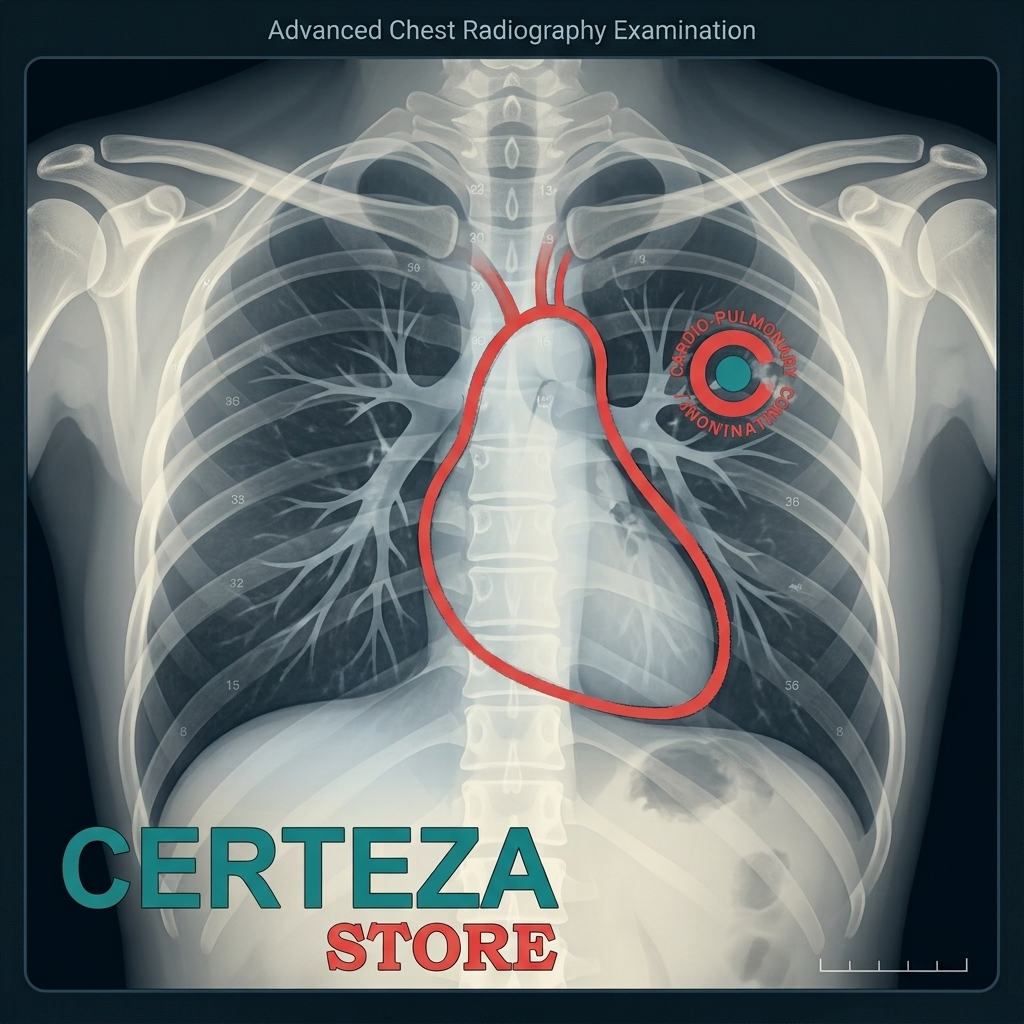
Early TB diagnosis is one of the most important steps in controlling the disease. Doctors usually combine medical history, physical examination, symptoms, and laboratory tests before confirming tuberculosis.
Common TB Diagnostic Tests
| Test | Purpose |
| Medical history | Reviews symptoms and risk factors |
| Physical examination | Assesses overall health and lung condition |
| Chest X-ray | Detects abnormalities in the lungs |
| Sputum test | Identifies TB bacteria in mucus |
| GeneXpert test | Detects TB bacteria and certain drug resistance |
| Tuberculin Skin Test (TST) | Screens for TB infection |
| Interferon Gamma Release Assay (IGRA) | Blood test used in selected cases |
Doctors choose the most appropriate combination of tests based on the patient’s symptoms, medical history, and clinical findings.
Can Tuberculosis Be Mistaken for Pneumonia?
Yes. In the early stages, tuberculosis and pneumonia may share several similar symptoms, making professional medical evaluation essential.
Both conditions may cause:
- Persistent cough
- Fever
- Chest discomfort
- Fatigue
- Difficulty breathing
However, there are important differences.
Tuberculosis vs Pneumonia
| Feature | Tuberculosis | Pneumonia |
| Cause | Mycobacterium tuberculosis bacteria | Usually bacteria, viruses, or fungi |
| Onset | Gradual | Often sudden |
| Duration | Weeks to months | Days to weeks |
| Night sweats | Common | Less common |
| Weight loss | Common | Less common |
| Spread | Airborne from active pulmonary TB | Depends on the specific infection |
Only a qualified healthcare professional can accurately distinguish between TB and pneumonia through appropriate testing.
Is Every Long-Lasting Cough a Sign of Tuberculosis?
No, A persistent cough does not automatically mean you have tuberculosis.
Many conditions can cause a cough lasting several weeks, including:
- Asthma
- COPD (Chronic Obstructive Pulmonary Disease)
- Allergies
- Chronic bronchitis
- Acid reflux (GERD)
- Viral respiratory infections
- Pneumonia
- Smoking-related lung disease
However, if a cough continues for more than two weeks, especially when combined with fever, night sweats, coughing up blood, or unexplained weight loss, it is important to seek medical evaluation promptly.
Early diagnosis helps identify the actual cause and allows treatment to begin as soon as possible.
How Long Does Tuberculosis Treatment Take?
The length of tuberculosis treatment depends on several factors, including the type of TB, whether the bacteria are drug-sensitive or drug-resistant, and the patient’s overall health.
For many people with drug-sensitive pulmonary tuberculosis, treatment typically lasts at least six months. Drug-resistant TB may require a significantly longer treatment plan.
During Treatment
Patients should:
- Take every prescribed dose exactly as directed.
- Never stop medication without medical advice.
- Attend all follow-up appointments.
- Report side effects to their healthcare provider promptly.
Completing the full course of treatment is essential to cure the infection and reduce the risk of relapse or drug resistance.
Respiratory Health Tips During Recovery
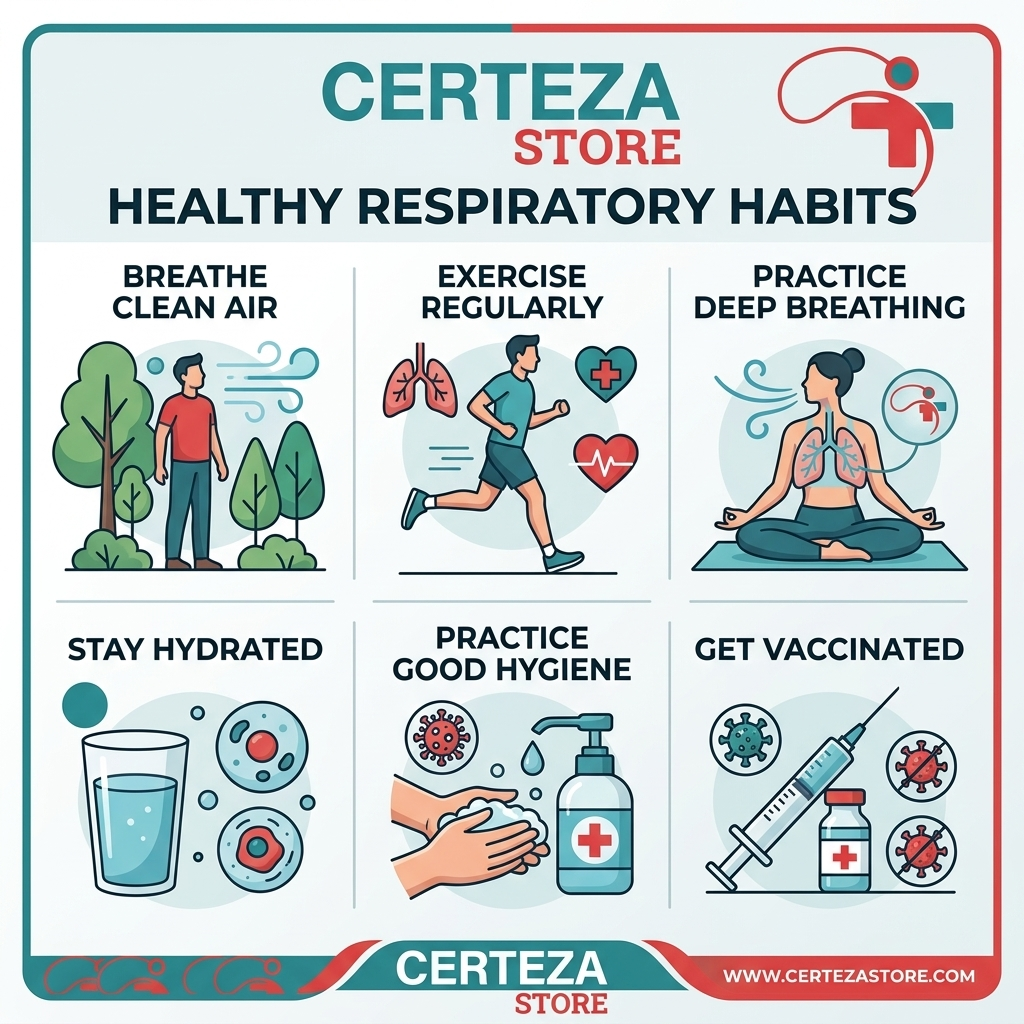
People recovering from tuberculosis should follow their healthcare provider’s advice carefully.
General respiratory wellness tips include:
- Stay well hydrated.
- Eat a nutritious, protein-rich diet.
- Get adequate rest.
- Avoid smoking and secondhand smoke.
- Keep indoor air clean and well ventilated.
- Practice good cough hygiene.
- Attend every scheduled follow-up visit.
Some people recovering from TB may also have other respiratory conditions, such as asthma or COPD, that require inhaled medicines prescribed by their doctor.
In these situations, a reliable compressor nebulizer, such as the Certeza Nebulizer, can help deliver prescribed medication directly to the lungs. However, it is important to understand that a nebulizer does not treat or cure tuberculosis. TB requires dedicated anti-tuberculosis medicines prescribed by a qualified healthcare professional.
Prevention Checklist
Use this simple checklist to help reduce your risk of tuberculosis and support better respiratory health.
- Cover your mouth when coughing or sneezing.
- Wash your hands regularly.
- Keep rooms well ventilated.
- Avoid smoking.
- Eat a healthy, balanced diet.
- Get enough sleep.
- Seek medical advice if your cough lasts longer than two weeks.
- Complete the full TB treatment if diagnosed.
- Encourage family members with symptoms to get tested.
- Follow your healthcare provider’s recommendations.
What Foods Should TB Patients Eat?
A healthy diet cannot cure tuberculosis, but it plays an important role in supporting the immune system and helping the body recover during treatment. Many people with active TB experience weight loss, reduced appetite, and fatigue, making proper nutrition even more important.
Nutrients That Support Recovery
A balanced diet should include:
- Protein-rich foods: Eggs, chicken, fish, lean meat, lentils, beans, and dairy products help repair body tissues.
- Fresh fruits and vegetables: Provide vitamins, minerals, and antioxidants that support the immune system.
- Whole grains: Brown rice, whole wheat bread, and oats provide lasting energy.
- Healthy fats: Nuts, seeds, olive oil, and avocados can help meet energy needs.
- Fluids: Drink plenty of water and other healthy fluids to stay hydrated.
Foods to Limit
While recovering, it is generally advisable to:
- Avoid smoking and tobacco products.
- Limit alcohol intake, especially because it may interact with TB medicines and affect the liver.
- Reduce highly processed foods high in sugar, salt, and unhealthy fats.
- Discuss any herbal supplements with your healthcare provider before using them.
A registered dietitian or healthcare professional can provide personalized nutrition advice based on your overall health.
Can Smoking Increase the Risk of Tuberculosis?
Yes. Smoking is one of the most important preventable risk factors for poor lung health and can increase both the risk of developing active tuberculosis and the severity of the disease.
Smoking damages the lungs’ natural defense mechanisms, making it easier for infections to develop and harder for the body to recover.
Smoking Can:
- Increase the risk of active TB.
- Worsen lung damage caused by tuberculosis.
- Delay recovery during treatment.
- Increase the likelihood of chronic respiratory diseases such as COPD.
- Reduce overall lung function.
Quitting smoking is one of the best decisions for improving respiratory health and reducing future health risks.
How Does Tuberculosis Affect the Lungs?
The lungs are the primary target of pulmonary tuberculosis.
After TB bacteria enter the lungs, the immune system attempts to contain the infection. If the bacteria overcome the body’s defenses, inflammation develops and can gradually damage lung tissue.
Common effects include:
- Persistent inflammation.
- Formation of small infectious lesions.
- Damage to healthy lung tissue.
- Reduced oxygen exchange.
- Chronic cough.
- Chest discomfort.
- Coughing up blood in some advanced cases.
Without proper treatment, the infection can spread further within the lungs and, in some cases, to other organs.
Can Tuberculosis Cause Long-Term Lung Damage?
Yes, Although many people recover completely after successful treatment, some individuals may continue to experience long-term lung problems, especially if diagnosis or treatment was delayed.
Possible long-term effects include:
- Lung scarring.
- Reduced lung capacity.
- Persistent shortness of breath.
- Chronic cough.
- Increased risk of future respiratory infections.
- Bronchiectasis (permanent widening of the airways in some patients).
Early diagnosis and completing the full treatment plan significantly reduce the risk of permanent lung damage.
Why Is Early TB Detection So Important?
Early diagnosis benefits both the individual and the community.
The sooner tuberculosis is identified:
- Treatment can begin earlier.
- The risk of severe complications decreases.
- Recovery often improves.
- The spread of infection to family members and others is reduced.
People should never ignore symptoms such as:
- A cough lasting longer than two weeks.
- Coughing up blood.
- Persistent fever.
- Night sweats.
- Unexplained weight loss.
- Ongoing fatigue.
Seeking medical evaluation early can make a significant difference.
Myths vs Facts About Tuberculosis
| Myth | Fact |
| TB is no longer a problem. | TB remains a significant public health concern in many countries, including Pakistan. |
| Every cough means TB. | Many illnesses can cause a cough. Medical testing is needed for diagnosis. |
| TB cannot be cured. | Most drug-sensitive TB can be cured with the full prescribed course of treatment. |
| TB spreads through food or sharing utensils. | TB mainly spreads through airborne droplets from a person with active pulmonary TB. |
| People should stop TB medicines once they feel better. | Treatment should always be completed exactly as prescribed to prevent relapse and drug resistance. |
| A nebulizer can cure tuberculosis. | A nebulizer does not treat or cure TB. It only delivers prescribed inhaled medicines when appropriate for other respiratory conditions. |
When Should You See a Doctor?
Seek medical advice as soon as possible if you experience:
- A cough lasting more than two weeks.
- Coughing up blood.
- Chest pain that does not improve.
- Fever lasting several days.
- Night sweats.
- Unexplained weight loss.
- Persistent fatigue.
- Close contact with someone diagnosed with active tuberculosis.
Early testing can help identify the cause of your symptoms and ensure timely treatment.
Emergency Warning Signs
Seek urgent medical care if you experience:
- Severe difficulty breathing.
- Large amounts of blood in the sputum.
- Persistent chest pain with worsening breathing problems.
- Confusion or reduced consciousness.
- Bluish lips or fingertips.
- High fever with severe weakness.
These symptoms require immediate medical evaluation.
Supporting Respiratory Care During Recovery
Recovering from tuberculosis requires patience, regular follow-up, and adherence to the treatment plan prescribed by your healthcare provider.
Some individuals recovering from TB may also have other respiratory conditions such as asthma, COPD, or bronchospasm. In these situations, doctors may prescribe inhaled medications to help manage those conditions.
A reliable compressor nebulizer, such as the Certeza Nebulizer, can efficiently deliver prescribed inhaled medicines directly to the lungs when recommended by a healthcare professional. However, it is important to remember that the Certeza Nebulizer is not a treatment or cure for tuberculosis itself. TB must be treated with the appropriate anti-tuberculosis medicines prescribed by a qualified doctor.
If you are looking for trusted home respiratory care equipment in Pakistan, Certeza Store offers quality medical devices designed to support patients who require doctor-prescribed respiratory therapy and home healthcare solutions.
What Is the Best Way to Prevent Tuberculosis?
The best way to prevent tuberculosis is to recognize symptoms early, seek medical testing if a cough lasts longer than two weeks, complete the full prescribed treatment if diagnosed, maintain good ventilation, practice cough hygiene, avoid smoking, and encourage close contacts with symptoms to seek medical evaluation.
Can Tuberculosis Be Cured?
Yes. Most cases of drug-sensitive tuberculosis can be cured when patients take the complete course of anti-TB medicines exactly as prescribed by their healthcare provider. Early diagnosis and adherence to treatment greatly improve recovery and help prevent the spread of infection.
Frequently Asked Questions (FAQs)
What causes tuberculosis?
Tuberculosis is caused by the bacterium Mycobacterium tuberculosis. It most commonly affects the lungs but can also spread to other parts of the body if left untreated.
How does tuberculosis spread?
Tuberculosis spreads through tiny airborne droplets released when a person with active pulmonary TB coughs, sneezes, speaks, or sings. It does not usually spread through sharing food, shaking hands, or touching common surfaces.
What are the first symptoms of tuberculosis?
Early symptoms often include a persistent cough lasting more than two weeks, fever, night sweats, fatigue, weight loss, loss of appetite, and sometimes coughing up blood.
Is tuberculosis contagious?
Yes. Active pulmonary tuberculosis can spread from person to person through the air. However, latent TB infection is not contagious.
Can tuberculosis be cured?
Yes. Most people with drug-sensitive tuberculosis can be cured by completing the full course of anti-TB medicines prescribed by their healthcare provider.
How long does tuberculosis treatment take?
Treatment commonly lasts at least six months for drug-sensitive TB, although the exact duration depends on the patient’s condition and the type of tuberculosis.
Who is at higher risk of tuberculosis?
People with weakened immune systems, diabetes, HIV, smokers, healthcare workers, older adults, and those living in crowded or poorly ventilated environments have a higher risk of developing active TB.
Is every long-lasting cough a sign of tuberculosis?
No. A persistent cough may be caused by asthma, COPD, allergies, bronchitis, pneumonia, acid reflux, or other respiratory conditions. Proper medical testing is needed for an accurate diagnosis.
Can children get tuberculosis?
Yes. Children can develop tuberculosis, especially after close contact with someone who has active pulmonary TB. Early medical evaluation is important if symptoms appear.
Can tuberculosis come back after treatment?
Yes. TB may return in some people due to reinfection or incomplete treatment. Completing the prescribed treatment plan significantly reduces this risk.
Can tuberculosis be prevented?
Yes. Early diagnosis, completing treatment, improving ventilation, covering coughs, maintaining good hygiene, and avoiding smoking all help reduce the risk of TB transmission.
Can TB patients use a nebulizer?
A nebulizer is not a treatment for tuberculosis. However, if a TB patient also has asthma, COPD, or another respiratory condition requiring inhaled medication, a doctor may prescribe nebulizer therapy for that separate condition.
Does the Certeza Nebulizer treat tuberculosis?
No. The Certeza Nebulizer does not treat or cure tuberculosis. It is a medical device designed to deliver doctor-prescribed inhaled medicines for conditions where nebulizer therapy is appropriate.
When should I see a doctor?
Seek medical advice if you have a cough lasting more than two weeks, fever, night sweats, unexplained weight loss, chest pain, or cough up blood.
Why is early diagnosis important?
Early diagnosis allows treatment to begin sooner, reduces complications, improves recovery, and helps prevent the spread of tuberculosis to others.
Conclusion
Tuberculosis remains one of the world’s most significant infectious diseases, but it is also preventable, treatable, and curable when diagnosed early and managed correctly.
Recognizing the warning signs—such as a persistent cough, fever, night sweats, unexplained weight loss, and fatigue—can help people seek medical care before the disease progresses or spreads to others. Public awareness, timely diagnosis, and completing the full treatment course are essential for protecting both individuals and communities.
If you or someone you know experiences symptoms that could indicate tuberculosis, do not rely on self-diagnosis or home remedies. Consult a qualified healthcare professional for proper testing and treatment.
Supporting Respiratory Care with Certeza Store
Respiratory health often requires ongoing monitoring and, in some cases, doctor-prescribed inhalation therapy. For individuals who have conditions such as asthma, COPD, or other respiratory illnesses that require nebulized medication, using a dependable compressor nebulizer can support treatment at home.
Certeza Store offers quality home healthcare devices, including the Certeza Nebulizer, designed to deliver prescribed inhaled medicines efficiently. While a nebulizer is not a treatment for tuberculosis, it can play an important role in respiratory care when recommended by a healthcare professional.
Always use medical devices according to your doctor’s instructions and continue any prescribed TB medications exactly as directed.
Medical Disclaimer
This article is intended for educational and awareness purposes only. It should not be considered a substitute for professional medical advice, diagnosis, or treatment. If you have symptoms of tuberculosis or any other respiratory illness, consult a qualified healthcare professional promptly. Never start, stop, or change prescribed medication without medical guidance.
