
- Your cart is empty
- Continue Shopping


What Is a Diabetic Wound? Symptoms, Healing Stages & Best Treatment
- Blog
- Posted on
-
by Muneeb Rehman

Introduction
A diabetic wound is an open sore or injury that develops in people living with diabetes and takes longer than normal to heal. High blood sugar levels can damage blood vessels and nerves, reducing circulation and making it difficult for the body to repair damaged tissue. If left untreated, diabetic wounds can become infected and may lead to serious complications, including hospitalization or, in severe cases, amputation.
According to the International Diabetes Federation (IDF), Pakistan is among the countries with the highest number of adults living with diabetes, with more than 33 million adults affected. This means millions of people are at increased risk of developing diabetes and wounds, particularly foot ulcers and leg wounds. Early diagnosis, proper blood sugar control, and effective wound management are essential to improve healing outcomes and reduce complications.
What Is a Diabetic Wound?
A diabetic wound is any cut, blister, ulcer, or sore that heals slowly because diabetes affects blood circulation, immune function, and nerve health. These wounds commonly develop on the feet and lower legs, where pressure and reduced sensation increase the risk of unnoticed injuries.
People with diabetes may not immediately feel pain due to nerve damage, allowing minor injuries to worsen over time. Proper diabetic wounds care begins with daily skin inspection, keeping wounds clean, and seeking medical attention if healing does not progress within a few days.
Common Symptoms of Diabetic Wounds
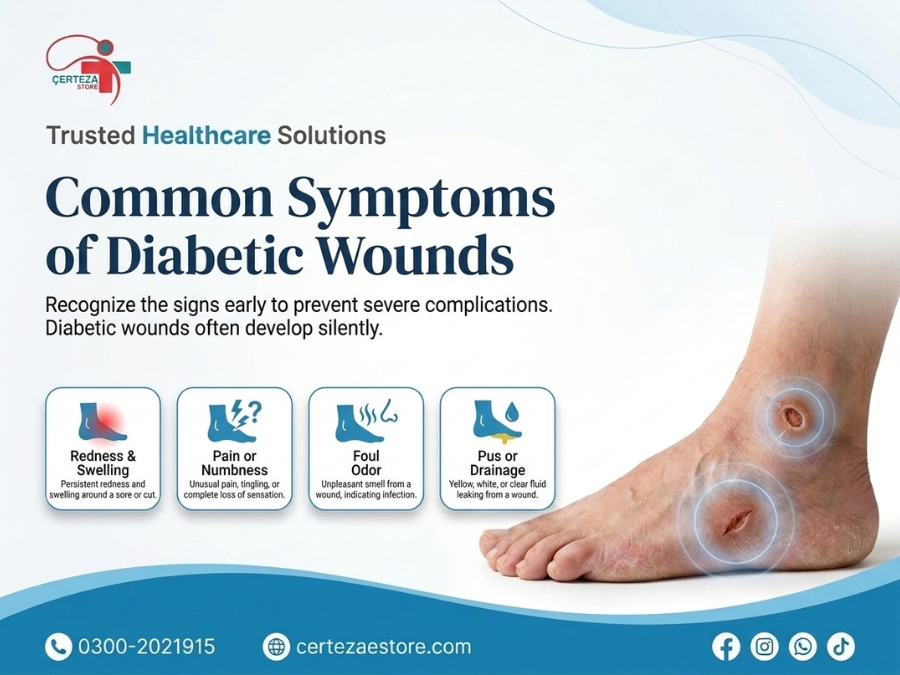
The earliest signs of diabetic wounds include redness, swelling, warmth, tenderness, or drainage around the affected area. Some wounds may produce an unpleasant odor or show delayed healing, indicating possible infection.
Individuals experiencing diabetic wounds feet problems should never ignore blisters, cracked skin, or persistent ulcers. Early treatment can prevent deeper tissue damage and improve the chances of complete recovery.
Why Do Diabetic Wounds Heal Slowly?
One of the main reasons wound healing for diabetic patients is delayed is poor blood circulation. Reduced oxygen and nutrient delivery slows tissue repair and weakens the body’s natural healing process.
In addition, diabetes and wounds are closely linked because elevated blood sugar levels reduce immune function, making infections more common. Proper glucose management plays a major role in faster healing and lower complication rates.
Healing Stages of a Diabetic Wound
Every diabetic wound passes through several healing stages: hemostasis, inflammation, proliferation, and remodeling. During these stages, the body stops bleeding, removes damaged tissue, builds new skin, and strengthens the repaired area.
Successful diabetic wounds care requires keeping the wound clean, protected, and regularly monitored. Patients should follow their healthcare provider’s instructions to avoid disrupting the natural healing process.
How Can a Diabetic Wound Heal Faster?
Many people ask, how can a diabetic wound heal faster? The answer involves controlling blood sugar, following a healthy diet, cleaning the wound daily, changing dressings as recommended, and avoiding pressure on the affected area.
Regular physical activity, proper hydration, and adequate protein intake also support wound healing for diabetic patients. Smoking cessation and prompt medical care further improve healing outcomes and reduce infection risks.
Diabetic Foot Wounds and Leg Wounds
The majority of diabetic wounds feet develop because repeated pressure, poorly fitting footwear, or unnoticed injuries damage the skin. Daily foot inspections help identify problems before they become severe.
A diabetic wound in leg may result from poor circulation, trauma, or infection. Any wound that becomes larger, more painful, or produces discharge should be evaluated by a healthcare professional without delay.
Best Treatment for Diabetic Wounds
The most effective diabetic foot wound treatment combines proper wound cleaning, infection control, pressure relief, blood sugar management, and regular medical follow-up. Some patients may also require specialized dressings or advanced wound therapies.
Healthcare providers may recommend antibiotics if infection develops, while severe diabetic wounds sometimes require surgical removal of dead tissue to promote healthy healing.
Managing Blood Sugar for Better Wound Healing
Good glucose control is one of the most important factors in diabetes and wounds management. Monitoring blood sugar regularly allows patients to make timely adjustments to their treatment plan and support faster recovery.
Reliable devices such as the Certeza GL-110, a Blood Sugar Monitor, can help patients track glucose levels consistently. Choosing the Best Glucose Monitor for home use allows individuals to monitor trends and share accurate readings with their healthcare provider. At Certeza Store, patients can explore trusted blood glucose monitoring solutions designed to support daily diabetes management.
Preventing Diabetic Wounds
Preventing a diabetic wound is always easier than treating one. Daily foot care, moisturizing dry skin, wearing comfortable shoes, and checking feet for cuts or blisters can significantly reduce the risk of complications.
People with diabetic wounds feet history should schedule regular medical checkups and maintain healthy blood sugar levels. Early intervention is one of the best ways to avoid severe ulcers and long-term complications.
When Should You See a Doctor?
Seek immediate medical care if a diabetic wound in leg or foot becomes increasingly painful, swollen, produces pus, develops a foul smell, or does not show signs of healing within a few days. Fever or spreading redness may indicate a serious infection.
Prompt diabetic foot wound treatment improves recovery and lowers the risk of hospitalization. Working closely with your healthcare provider ensures the wound receives appropriate care while underlying diabetes remains well controlled.
Conclusion
A diabetic wound should never be ignored because delayed healing can lead to infection and other serious complications. Understanding the symptoms, healing stages, and treatment options empowers patients to take early action and protect their overall health.
Maintaining healthy blood sugar levels, practicing proper diabetic wounds care, and using dependable glucose monitoring devices such as the Certeza GL-110 can support better healing outcomes. Certeza Store is committed to providing reliable diabetes care products, including quality blood glucose monitoring solutions that help individuals manage their condition with confidence.
