
- Your cart is empty
- Continue Shopping


How To Read Certeza Pulse Oximeter with Pulse Rate?
- Blog
- Posted on
-
by Muneeb Rehman
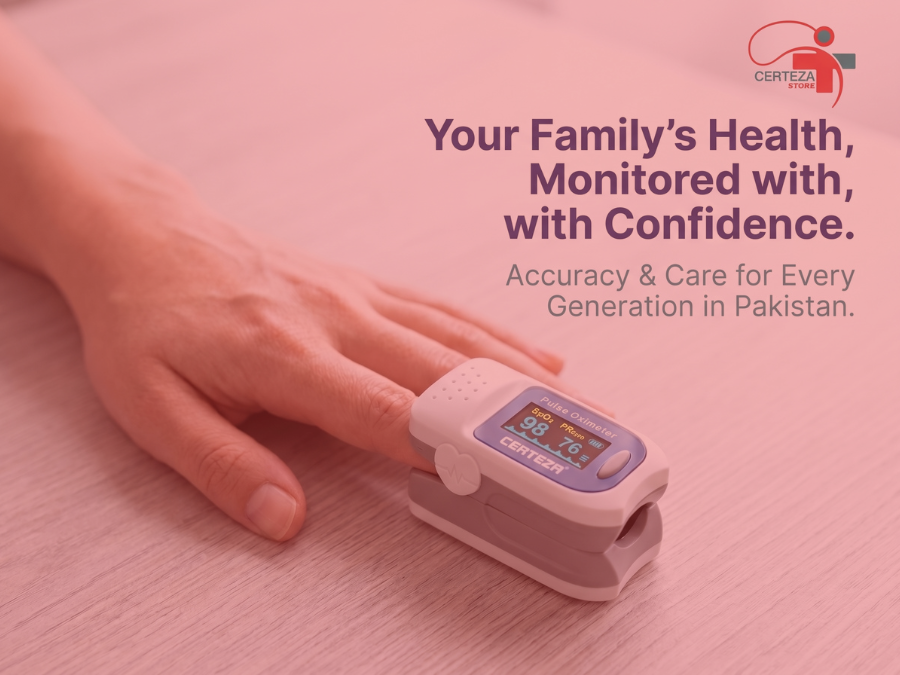
Across Pakistan, healthcare awareness is still growing, and many families are not properly guided on how essential a Pulse Oximeter can be—especially for elderly parents and grandparents at home. Traditionally, people believe that managing or checking vital signs like your Pulse Rate and SpO2 levels requires specialized doctors, hospital visits, or trained nursing staff. However, with the right knowledge, monitoring your family’s health at home has never been easier or more important.
Whether you are a doctor sharing guidance with patients, an attendant looking after elderly family members, or someone who wants to stay healthy, having reliable tools like the Certeza PO-907 from Certeza Store (feel free to call or WhatsApp at 0300-2021915) bridges that gap and empowers everyday households to manage their wellness with confidence.
When you want to check how well you are breathing and how your heart is working, two things matter most: your Pulse Oximeter and your Pulse Rate. Let us look at how these tools work, what your numbers mean, and how a reliable device like the Certeza PO-907 from Certeza Store can help keep your family safe and healthy.
What is a Pulse Oximeter and How Does It Work?
A Pulse Oximeter is a very small, comfortable clip that goes on your finger. It helps you check how much oxygen is moving through your body. The best part is that it does not hurt at all because it uses a soft light to check the hemoglobin oxygen saturation of blood.
Inside your blood, red cells carry oxygen from your lungs to your whole body. The hemoglobin oxygen saturation of blood simply tells you how full these cells are with oxygen. When you put a Pulse Oximeter on your finger, the light checks this for you in just a few seconds. This helps you watch your SpO2 levels every day. To get the best results at home, checking your finger pulse oximeter accuracy with a trusted device like the Certeza PO-907 from Certeza Store gives you complete peace of mind.
Normal Vital Sign Ranges
| Reading | Normal Range | What It Indicates |
| SpO2 Level | 95% – 100% | Healthy oxygen saturation levels in your blood. |
| Pulse Rate | 60 – 100 BPM | Normal resting heart rate for adults. |
What to Do with Abnormal Readings
If your readings fall outside the normal range, here are some actions you can take:
- Low SpO2 Levels (below 95%): This may indicate a potential respiratory issue. Sit down and try to take slow, deep breaths. If levels remain low, contact a healthcare provider.
- High or Low Pulse Rates: A heart rate above 100 BPM may indicate stress or activity, while below 60 BPM can signify bradycardia. Again, if you notice a persistent abnormal reading, consult a doctor.
Easy Steps to Use Your Device Correctly
Using a Pulse Oximeter the right way is very simple, but a few small things help make sure your numbers are correct:
- Keep your hands warm: Cold hands can slow down blood flow. Rub your hands together to warm them up before using the Pulse Oximeter.
- Remove nail polish: Dark nail polish or fake nails can block the light, so it is best to clean your nails before putting on the Pulse Oximeter.
- Sit still: Rest your hand flat on a table and do not move your finger while the Pulse Oximeter is reading your SpO2 levels and Pulse Rate.
- Wait a few seconds: Give the Pulse Oximeter about ten seconds to show a steady and clear number on the screen.
Following these easy steps ensures your finger pulse oximeter accuracy is always high when checking your daily health.
Common Mistakes to Avoid
While using a clear wave pulse oximeter, be aware of common pitfalls:
- Improper Finger Placement: Make sure your finger is completely inserted and that it’s not cold, as these factors can skew results.
- Moving During Measurement: Stay still while the reading is being taken to ensure accuracy.
- Using in Poor Lighting: Ambient light can interfere with the accuracy; ensure you’re in a well-lit environment.
Why Accurate Oxygen Monitoring Matters at Home
In the realm of healthcare, monitoring a patient’s oxygen levels is crucial. Across Pakistan, where many families care for elderly parents or recovering loved ones at home without specialized nursing staff on hand, knowing how to track vital signs is deeply empowering. The body requires adequate oxygen to perform essential functions, and any deviation can lead to serious health complications. Accurate oxygen monitoring is vital for diagnosing conditions, guiding treatment, and ensuring the well-being of patients.
Pulse oximeters play a significant role in this process. These small, non-invasive devices measure the oxygen saturation level in the blood, providing instant feedback on a patient’s respiratory status. Knowing how to read a clear wave pulse oximeter can make a significant difference in patient care.
Here are several key reasons why accurate oxygen monitoring is essential:
- Early Detection of Hypoxemia: Accurate readings help in identifying low oxygen levels, allowing healthcare providers to intervene promptly.
- Management of Chronic Conditions: For patients with chronic respiratory diseases, regular monitoring ensures optimal treatment plans are in place.
- Surgical Preparedness: During surgeries, maintaining proper oxygen levels is critical to avoid complications.
- Emergency Situations: Quick assessment of oxygen saturation can determine the urgency of interventions required in critical care.
- The mechanism behind a pulse oximeter is simple yet effective. The device utilizes light sensors to compare the absorption of light by oxygenated and deoxygenated hemoglobin oxygen saturation of blood. This difference in absorption allows the device to calculate the percentage of oxygen saturation.
| Common Causes of Inaccurate Readings | Potential Solutions |
| Poor circulation | Warm the extremity before testing. |
| Nail polish/artificial nails | Remove nail products before measuring. |
| Excessive movement | Keep the hand still during measurement. |
| Bright ambient light | Test in a dimly lit area. |
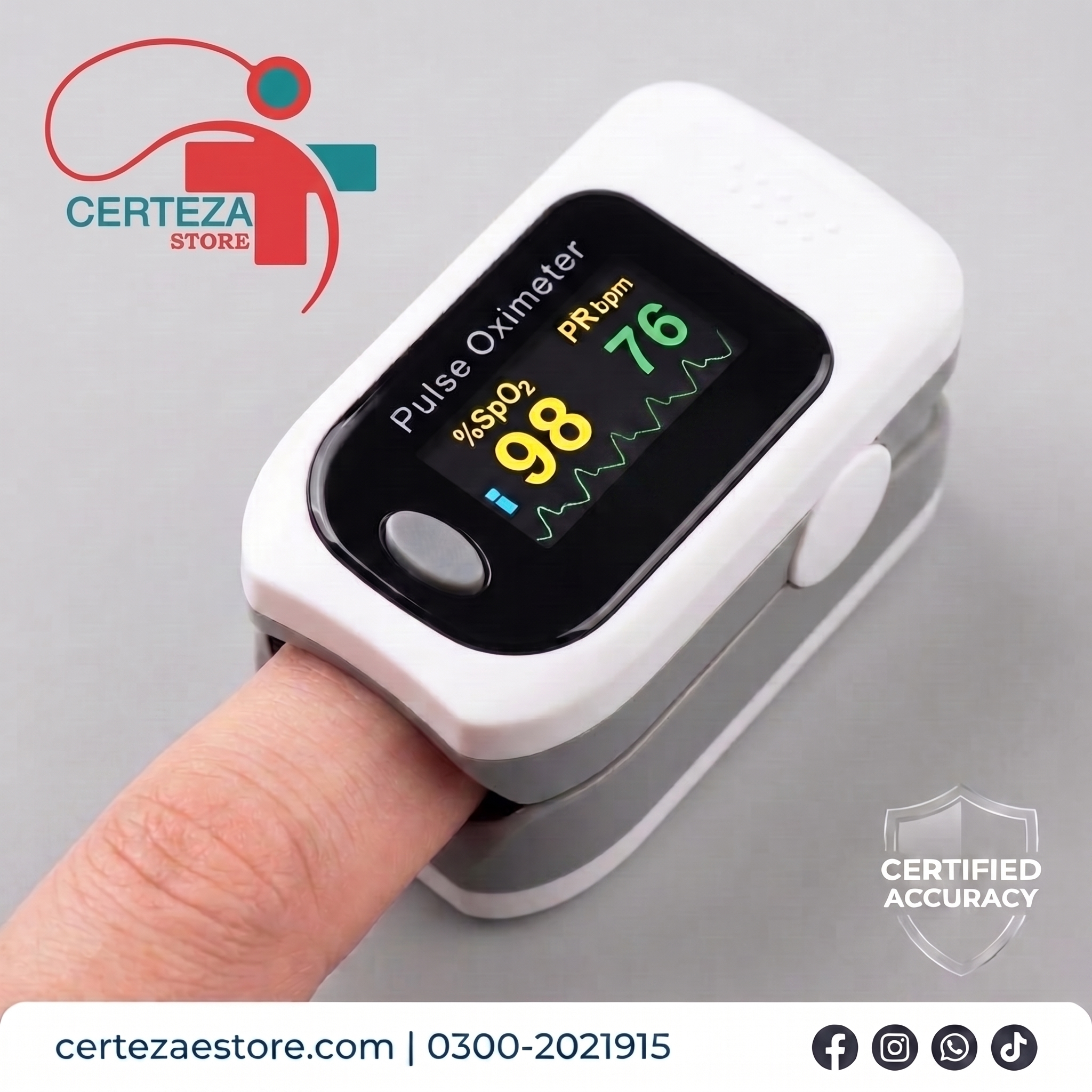
Understanding Your Numbers and Care for Children
When your Pulse Oximeter finishes checking, you will see two main numbers on the screen: your oxygen percentage (SpO2 levels) and your heart beats per minute (Pulse Rate). For most healthy people, a normal blood oxygen range is between 95% and 100%. Staying inside this normal blood oxygen range means your body is getting all the oxygen it needs.
Checking Oxygen Levels for Babies and Kids
Checking children needs a little extra care because their little bodies are different. When parents look at blood oxygen saturation for infants, it helps to know what is normal for babies.
You can easily look at a blood oxygen saturation levels chart child to see if your little one is doing fine. A good blood oxygen saturation levels chart child usually shows that kids should also have SpO2 levels above 95%. If you ever feel worried about your child during a cold or flu, using a Pulse Oximeter gently and checking a blood oxygen saturation levels chart child helps you decide when to call your family doctor.
Understanding Your Heart Rate and Pulse
People often ask: is pulse and heart rate the same? While they are very close and most people use them for the same thing, there is a small difference between heart rate and pulse rate.
Your heart rate is how many times your actual heart beats, while your Pulse Rate is the wave you feel at your finger or wrist when the blood moves through your body. Most of the time, they match completely, so the number on your Pulse Oximeter is your Pulse Rate.
Why Does Your Pulse Go Up Sometimes?
Sometimes you might notice your Pulse Rate is higher than usual. Here are some common high pulse rate causes:
- Running or exercising: Moving around makes your body work harder, which naturally raises your Pulse Rate.
- Feeling stressed or worried: Being nervous or scared releases energy in your body, which is one of the top high pulse rate causes.
- Not drinking enough water: If you are thirsty or have a mild fever, your heart beats a bit faster, acting as hidden high pulse rate causes.
- Drinking too much coffee: Having lots of tea, coffee, or energy drinks can also change your Pulse Rate.
Keeping an eye on your Pulse Rate and SpO2 levels using your Pulse Oximeter helps you understand your body better every single day.
Things That Can Change Your Readings
Sometimes your Pulse Oximeter might give numbers that look strange because of a few small factors affecting oxygen readings. Knowing about these factors affecting oxygen readings helps you stay calm:
- Cold fingers: If your hands are very cold, the Pulse Oximeter might have trouble reading your SpO2 levels. Warm them up and try again.
- Moving too much: Shivering or shaking your hand is one of the most common factors affecting oxygen readings.
- Bright lights: Sitting under very bright sunlight can sometimes confuse the sensor inside the Pulse Oximeter.
Knowing these factors affecting oxygen readings makes it easy to take a new reading the right way.
When to Talk to a Doctor
Having a Pulse Oximeter at home is wonderful, but it does not replace a doctor. You should always reach out to a healthcare professional if:
- Your SpO2 levels go below 95% and stay low.
- You feel very tired, dizzy, or have trouble breathing, even if your Pulse Oximeter looks normal.
- Your Pulse Rate stays too fast or too slow for a long time without any clear reason.
Taking good care of yourself and your family starts with staying informed. Keep your reliable Certeza PO-907 from Certeza Store (call us at 0300-2021915) close by, stay safe, and take care of your health every day!
